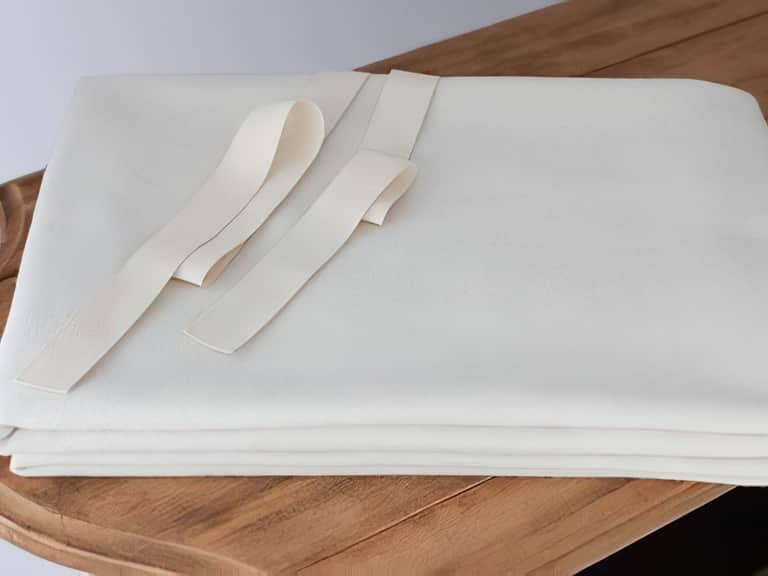
Vispring Heaven Luxury Mattress Topper
Sink into cloud-soft comfort with breathable British wool that cools you in warmth and relieves pressure, for deeper, more restful sleep and daily well-being.
A clear, non-commercial overview of common mattress types, how they feel, and where they excel. Learn how personal sleep position, weight, and preferences guide a first selection, plus quick-start guidelines for assessing firmness, durability, and edge support. This guide is designed for curious sleepers who want to make informed choices without the sales-floor pressure.
In the world of sleep, the mattress you choose is more than a surface; it’s a foundation for rest, mood, and daily performance. The mattress landscape is diverse: innerspring beds with responsive coils, memory foam layers that cradle pressure points, natural-latex beds that balance bounce and durability, and hybrids that fuse coil support with plush comfort. To navigate this, you’ll want a basic map of each type, a sense of how they feel in real life, and a checklist for evaluating firmness, durability, and edge support. That way, you can compare apples to apples, rather than being swayed by marketing speak. Think of this as a thoughtful, editorial guide—friendly, evidence-minded, and practical.
Most modern mattresses are built in layers. A typical setup includes a support core (springs or dense foam) and comfort layers (foam, latex, or other cushioning). The choice of core and layers determines how the bed responds to weight, how it distributes pressure, how it isolates or transfers motion, and how it handles temperature. For example:
Innerspring mattresses are anchored by a coil system, which can range from Bonnell coils to pocketed coils and zoned configurations. The feel of an innerspring often depends on coil gauge, the number of coils, and whether they are individually wrapped. A bed with a dense coil system tends to be firmer and more supportive for many body types, while a lighter coil setup can feel plusher or more springy. Edge support is usually strong in traditional models, thanks to reinforced perimeters around the coil system.
Who benefits from innerspring?
Memory foam is a viscoelastic material that softens with heat and weight, molding to your body to relieve pressure points. The feel is often described as “hugging,” with excellent motion isolation. Temperature sensitivity can influence performance—some early foams slept a bit warm, but modern formulations emphasize cooling through gel inclusions, open-cell structures, or breathable covers. Memory foam tends to be less bouncy than innersprings and can feel denser, which many people find comforting for side sleeping or those with joint pain.
Who benefits from memory foam?
Latex beds are known for their buoyant, responsive feel. Natural latex, whether Dunlop or talalay processed, offers durability, supportive bounce, and often pronounced temperature regulation. Some latex beds are fully natural; others blend latex with foams or innerspring cores. The result is a surface that can feel springy yet supportive, with a sense of “lift” that many sleepers enjoy. Natural latex tends to hold up well over time and resists impressions, but the exact feel can vary by density and layering.
Who benefits from latex?
Hybrids combine coils for support with layers of foam or latex on top. The coil system provides structured support and edge strength, while the comfort layers deliver pressure relief and contour. Hybrids aim to address the weaknesses some sleepers experience with pure innerspring or pure foam beds, offering a versatile balance that works for various body types and preferred sleep positions. The feel of a hybrid depends on the thickness and type of the comfort layers and the coil design—some hybrids feel more buoyant, others closer to memory foam in contouring.
Who benefits from hybrids?
Firmness guides can be misleading if not paired with support. A bed labeled as “firm” might feel supportive but may still press uncomfortably in key areas if the contour is insufficient for your weight. Look for a mattress that offers the right balance of contouring and support for your body type. A bed that maintains stable edge support as you sit or lie near the edge signals a durable perimeter. When evaluating durability, consider the core materials (coil gauges, foam density, latex density), the quality of the comfort layers, and the overall build quality. A long-lasting mattress will retain its support and feel across years of use.
Practical guidelines for testing firmness and feel in-store
Sleeping temperature can influence comfort and sleep quality. Innerspring and hybrid beds with breathable coil systems and moisture-wicking covers can help keep the surface cooler. Memory foam’s history of heat retention has improved with gel infusions, open-cell architectures, and phase-change materials. Latex generally stays cooler than memory foam due to its porous structure and natural breathability. If you sleep hot, prioritize sections of the mattress with airflow channels, breathable fabrics, and cooling layers.
No one mattress fits all, so a personalized approach matters. Start with your sleeping position, body weight, and any specific comfort needs (shoulder or hip support, back alignment, or firmness preference). Weight distribution and joint sensitivity affect how a mattress feels. If you’re a side sleeper with hip and shoulder pressure concerns, a touch of contouring from memory foam or latex can relieve pressure points. If you’re a back sleeper who wants spinal alignment and a stable feel, a balanced hybrid with moderate firmness often works well. Stomach sleepers might prefer a firmer surface to reduce midsection sagging and keep the spine aligned.
A practical decision workflow you can adapt
Price often reflects materials, craftsmanship, durability, and brand reputation. A higher price tag can indicate premium materials or engineering, but it doesn’t guarantee a perfect fit for you. Look for density figures (foam density in pounds per cubic foot, latex density when applicable), the coil gauge in innerspring or hybrid cores, and the overall warranties and return policies. A bed with an extended trial period and a strong warranty suggests confidence from the maker and is a useful signal when shopping.
To bring a human touch to this guide, here are three influential figures from different eras who contributed to how we think about sleep, comfort, and support. Their ideas echo in today’s mattress designs, even if their work wasn’t purely about beds.
While not a mattress designer, Galen’s early anatomical observations laid groundwork for understanding human biomechanics during rest. His insistence on structured, balanced body support echoes in modern concepts of spinal alignment and mattress ergonomics. From ancient clinics to today’s sleep guides, the idea that the body seeks equilibrium during rest persists.
In classical literature, the craftsman’s daily routine included deliberate rest, pairing activity with recovery. This rhythm resonates with modern sleep hygiene practices: predictable sleep windows, winding-down rituals, and the recognition that quality rest supports productive days—a philosophy that underpins educational content about sleep wellness and mattress selection.
Technology’s role in comfort grew as materials science advanced. While Gray is known for his work in electrical devices, the broader 19th–20th century era fostered innovations in foam chemistry, coil technology, and synthetic fabrics. That legacy points to today’s attention to cooling foams, resilient springs, and breathable covers—the modern toolkit that shapes how mattresses feel and perform.
Choosing a mattress is a personal journey, shaped by your body, sleep habits, and environment. This guide offers a practical framework to understand innerspring, memory foam, latex, and hybrid constructions, and how they translate into comfort, support, and durability. By combining your priorities with a thoughtful testing process, you can narrow down the field to a few candidates that align with both your budget and your sleep goals. And remember: a well-chosen mattress can be the quiet engine of better days, clearer thinking, and a brighter mood.
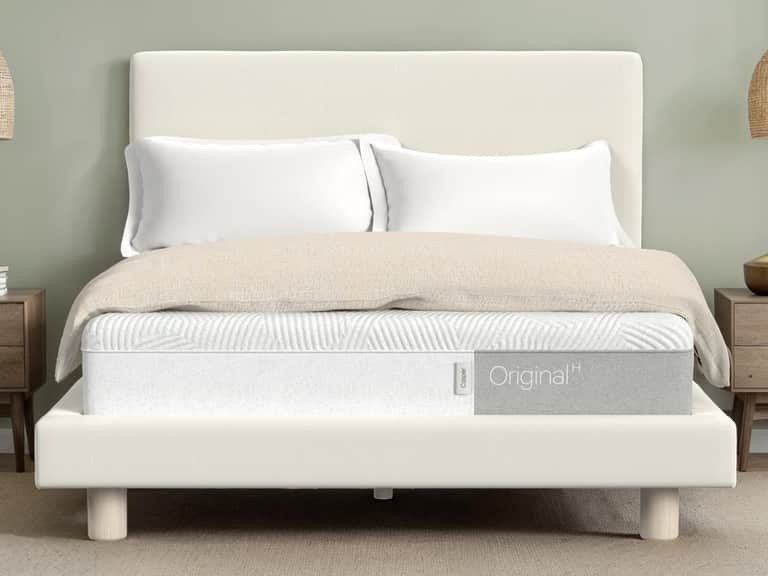
To illustrate how an accessory can influence sleep feel, consider a high-end topper like the Vispring Heaven Luxury Mattress Topper. This topper, crafted with British wool and a cotton blend, adds temperature regulation and pressure-point relief to an existing mattress, extending its life and improving surface comfort. While a topper is not a replacement for choosing the right mattress, it can be a valuable upgrade for adjusting feel, especially for couples with different warmth preferences or for sleepers whose preference shifts with the seasons.
Vispring Heaven Luxury Mattress Topper
Brand: Vispring • Price: 2,175.00
Product spotlight image (for display purposes):

A natural wool mattress pad can offer moisture management and temperature regulation with a soft hand feel. This picks up a classic comfort approach: natural materials often suit sleepers seeking a breathable, hypoallergenic layer atop their mattress. If you’re exploring insulation and temperature balance without adding a bulky layer, a wool pad can be an appealing option.
Price: 259.00
A densely woven wool pad with organic cotton straps for a snug fit on a wide range of mattresses. It’s a natural, breathable option that can complement various sleep styles.

If you’re ready to continue exploring mattress types and want a non-salesy resource, consider building a simple, non-sponsored content plan around core guides, FAQs, and thorough, data-driven comparisons. The goal is to empower readers to make informed decisions rather than steer them toward a particular product. For now, you can start with a comparative mini-guide to innerspring versus memory foam, plus a glossary of key terms like coil gauge, density, and indentation force deflection (IFD) in plain language.
Note: This article presents a balanced, non-commercial perspective suitable for Direction B, Mattress Buying and Comparison Resource. All factual claims about materials, performance, and testing are intended to be descriptive and educational, not promotional. Always verify product specifications and return policies with manufacturers or retailers before purchase.