Sleep Science Demystified: How Sleep Stages Shape Your Night and Health
An in-depth exploration of REM and non-REM sleep, how each stage powers memory, mood, and physical restoration, and practical strategies to optimize your nightly rhythm.
Sleep is not a single, uniform state. It unfolds in a precise choreography of stages that repeat in cycles throughout the night. Understanding these stages — particularly REM (rapid eye movement) and non-REM sleep — reveals how sleep replenishes the brain, consolidates learning, and restores the body. In this feature, we journey through the science of sleep stages, connect them to everyday health outcomes, and offer evidence-based routines to improve sleep quality. Along the way, we meet three trailblazers from distinct eras whose insights and innovations illuminate how humanity has sought to understand and optimize slumber.
This article draws on sleep research spanning classical physiology to modern neuroscience, and threads the importance of sleep environments, routines, and physiology into actionable guidance. It also highlights how bedding choices — from mattresses to pillows and protective pads — can influence the balance of sleep stages, supporting a healthier, more restorative night.
The Sleep Stage Landscape: REM and non-REM in Focus
Sleep is not a singular destination but a sequence of phases that the body cycles through 4 to 6 times per night, depending on age, health, and circadian alignment. The dominant architecture comprises non-REM stages (N1, N2, N3) and REM sleep. Each stage has distinct electroencephalographic patterns, muscle tone, heart rate, and breathing characteristics, and each supports different aspects of recovery and function.
- Non-REM Stage N1: The transition from wakefulness. Light sleep where consciousness fades, slow eye movements occur, and muscle activity lessens. Brain activity begins to slow, signaling the body’s drift toward deeper restoration.
- Non-REM Stage N2: The body prepares for deep sleep. Heart rate slows, breathing steadies, and brain activity exhibits sleep spindles and K-complexes — brief bursts thought to protect sleep and assist memory processing.
- Non-REM Stage N3 (Deep Sleep): The deepest, most restorative phase. The body repairs tissues, builds bone and muscle, and strengthens the immune system. Growth hormone release tends to peak, aiding physical recovery and learning consolidation.
- REM Sleep: The brain becomes highly active while the body is largely paralyzed to prevent action. This stage fuels emotional regulation, creative problem-solving, and the consolidation of procedural and emotional memories. Dreams most vividly populate REM, reflecting a brain reenergizing itself after daytime experiences.
The architecture of sleep is not static. A typical adult cycles through these stages multiple times per night, with REM periods lengthening as the night progresses. In a healthy cycle, deep non-REM sleep dominates the early night, nourishing physical restoration, while REM sleep gains ground in the latter half, supporting learning, mood, and memory integration.
Disruptions to any stage ripple through daytime function. Insufficient deep sleep can impair physical recovery and immune resilience, while reduced REM sleep can blunt emotional regulation and cognitive flexibility. Sleep debt compounds over days, affecting mood, attention, and decision-making. The good news is that sleep, unlike many other health domains, is highly trainable. By aligning routines, environment, and bedding choices with your circadian biology, you can tilt the balance toward more restorative cycles.
From Science to Habit: Practical Tips to Optimize Sleep Stages
A well-timed wind-down, a conducive sleep environment, and mindful choices about daytime activity collectively influence the distribution and quality of sleep stages. Below are science-informed strategies to encourage deeper non-REM sleep early in the night and richer REM sleep later, without requiring drastic lifestyle overhauls.
- Consistent schedule: Aim to go to bed and wake up at the same time across all days. Circling back to a regular rhythm stabilizes circadian signals, helping your body predict when to enter sleep stages.
- Light exposure management: Natural light in the day and limiting blue light after sunset supports a robust circadian rhythm. Consider dimming lights and reducing screen time as you approach bedtime.
- Pre-sleep rituals: Gentle activities such as reading, light stretching, or a warm bath can ease the transition into non-REM sleep, while ensuring you don’t delay REM onset too long into the night.
- Exercise timing: Regular physical activity supports sleep quality, but heavy workouts close to bedtime can delay sleep onset. Schedule workouts earlier in the day when possible.
- Nutrition mindful: Avoid large meals, caffeine, and alcohol late in the day. While alcohol may hasten sleep onset, it fragments sleep, reducing REM and deep sleep efficiency.
- Environment matters: A cool, quiet, dark bedroom is a universal accelerant of restorative sleep. Personalize the climate and sound environment to your preferences while maintaining a consistent backdrop for rest.
Bedding choices are not merely about comfort; they shape your capacity to maintain the delicate rhythms of sleep stages. A well-fitted mattress, breathable fabrics, and protective layers that do not create noise or heat traps can help sustain deep sleep and facilitate comfortable transitions between stages.
Bedding as a Bridge to Better Sleep Stages
The way you sleep is inseparable from the materials that cradle you during the night. Thoughtful choices in pillows, mattress pads, and protectors can reduce disturbances, regulate temperature, and minimize physical stress that can fragment sleep. The right setup supports consistent cycles through non-REM stages and REM sleep, enabling your brain to consolidate memories and your body to perform restorative work.
Among the myriad options, certain items stand out for balancing comfort with practical health benefits. A high-quality mattress pad that provides moisture management without crinkling or overheating can preserve sleep continuity. An impermeable yet breathable protector shields against allergens without compromising sensory comfort, encouraging a steadier sleep that flows through the night.
A Sleep-Education Spotlight: Three Pioneers of Sleep Wisdom
Across centuries, thinkers and scientists have illuminated the nature of sleep. Their insights, though separated by time and discipline, collectively chart the arc from curiosity to evidence-based practice.
1) Aristotle’s Night Reasoning (4th century BCE)
Philosophy meets physiology in ancient inquiry
Aristotle pondered the nature of sleep and dreams, laying groundwork for the idea that sleep serves a restorative and regulatory function. While his writings predate modern neuroscience, his observations about the calming of the senses and the restoration of the organism helped frame sleep as an essential process, not a mere passive state. In contemporary terms, his insistence on sleep as a purposeful state foreshadows modern understanding that sleep drives both brain and body recovery.
2) Hans Berger and the Dawn of EEG (1929)
A bridge from observation to measurable brain activity
Hans Berger’s pioneering EEG work unlocked the ability to observe brain activity during sleep. This leap allowed scientists to parse distinct sleep stages based on electrical patterns, transforming sleep from a phenomenological curiosity into a data-driven discipline. The EEG footprint of sleep stages remains central to how we classify non-REM and REM sleep today, anchoring contemporary sleep science in empirical observation.
3) Rosalind Cartwright and Sleep Psychiatry (20th century)
Unraveling mood, memory, and dreams through sleep
A pioneer in sleep and mood research, Cartwright highlighted how sleep biology intersects with emotional regulation and mental health. Her work emphasized that sleep architecture can reflect and influence daytime functioning, including mood and cognitive health. Her insights underscore a modern view: optimizing sleep stages is not only about physical restoration but also about emotional well-being and cognitive clarity.
A Modern Perspective: Integrating Science, Habit, and Bedding
Today’s sleep science blends rigorous empirical research with actionable guidance. We now understand that sleep stages are shaped by the interplay of circadian timing, sleep pressure, and environmental context. The modern sleeper can influence stage balance through predictable routines, temperature control, and material choices that support comfort and sensory peace. '
This article combines evidence-based strategies with thoughtful product selection to help readers craft a sleep ecosystem that fosters longer, more restorative cycles.
In a world where one-third of adults report insufficient sleep, the path to healthier sleep is not mysterious. It is a disciplined practice of consistent timing, optimized environment, and informed bedding choices that together create conditions conducive to better sleep architecture.
Product Spotlight: A Practical, Protective Layer for Restful Nights
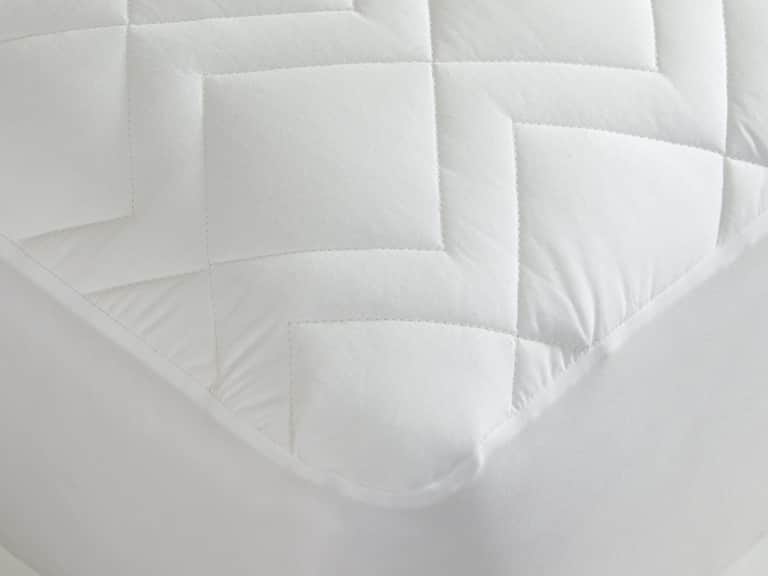
The DownTown Company Waterproof Quilted Mattress Pad exemplifies the kind of bedding innovation that quietly supports deeper sleep. The pad’s noiseless, breathable 100% cotton surface with double diamond quilting offers a refined touch of insulation and moisture management — a practical ally for steady sleep. Its deep-fit elasticized pocket ensures a precise, secure fit, reducing movement at night and promoting uninterrupted cycles. The cushiony yet breathable layer keeps the sleeping environment comfortable across seasonal shifts, aligning with sleep science that favors cool, breathable surfaces for enduring rest.
Downtown Comfort Meets Durability
Since 1987, Downtown Company has built a reputation for merging luxury with practical reliability. The Waterproof Quilted Mattress Pad embodies that ethos, offering a luxurious feel without compromising on protection or care. This pad can help regulate moisture and temperature, a factor linked in sleep research to stable sleep stages and fewer awakenings.
Availability: Twin to California King, machine washable for easy care.
Note: This article references a selection of bedding as practical tools to support healthy sleep. The right combination — including a breathable mattress pad, a well-fitted protector, and appropriate pillow geometry — contributes to an environment that minimizes sleep disruption and fosters balanced sleep stages.
For more sleep-anchored resources, ongoing exploration of product materials, and expert insights, continue reading with a mindful approach to your sleep journey.
Conclusion: Sleep as a Living System
Sleep is a living system, responsive to the rhythms of light, temperature, movement, and mental state. By embracing the science of sleep stages and translating it into daily habits and bedroom choices, you can nurture a nightly environment that supports deeper non-REM restoration and richer REM processing. The science is clear enough to guide practical change, but personal experience remains essential. Through experimentation and patience, you can fine-tune your routines and bedding to your unique biology, paving a path to steadier moods, sharper memory, and renewed vitality.
The journey toward better sleep is ongoing. By understanding your stages, refining your nights, and choosing bedding that respects your physiology, you invite your body to perform its nightly miracles with greater consistency.
References and Further Reading
- Foundational sleep science and the staging framework: non-REM stages N1–N3 and REM, and their implications for memory consolidation and emotional regulation.
- Historical milestones in sleep research: Aristotle’s early contemplations, Berger’s EEG breakthroughs, and Cartwright’s contributions to sleep and mood disorders.
- Contemporary bedding science: moisture management, temperature regulation, and noise-free comfort as facilitators of stable sleep architecture.